A simple roof maintenance routine in Friendswood comes down to four habits: look at your roof from the ground every season, check the attic for moisture, keep gutters and valleys draining, and schedule a professional check before hurricane season and after major storms. You do not need to climb onto the roof to do any of the homeowner steps below.
Friendswood's climate is warm and humid for much of the year, with heavy rain events, strong thunderstorms and a hurricane season that runs from June 1 through November 30. That combination means small roof issues can turn into leaks faster than in drier places. A seasonal routine helps you spot changes early and gives you a record if you ever need to explain a problem to a roofer or insurer.
Safety first: Every homeowner step in this checklist is done from the ground, from inside the house, or from a stable ladder at the gutter line if you are comfortable doing so. Do not walk on your roof. Roof surfaces can be slippery, fragile or hotter than they look, and falls are a serious risk. Leave on-roof work to people with proper safety equipment.
Spring checklist (March to May)
Spring is a good time to prepare for the busier storm months ahead.
- Walk around the house with binoculars. Look for missing, cracked, curled or lifted shingles, loose ridge caps and anything that looks different from last season.
- Check flashing you can see. Look at metal around chimneys, walls and vents for gaps, rust or pieces that have pulled away.
- Clear gutters and downspouts. Make sure water flows away from the house. Overflowing gutters can push water behind fascia boards.
- Look at nearby trees. Note limbs that overhang or touch the roof. Hire a tree professional to trim large limbs, especially before hurricane season.
- Schedule a pre-season check. A professional roof maintenance visit in spring can catch cracked pipe boots, loose flashing and other small items before June.
Summer checklist (June to August)
Summer brings heat, humidity and the start of hurricane season.
- Check the attic on a hot afternoon. With a flashlight, look for daylight through the roof deck, damp or stained wood and compressed or wet insulation. An extremely hot, stuffy attic may point to ventilation problems worth asking about.
- Watch the ceilings. New stains, bubbling paint or musty smells after rain are early signs of a leak.
- Keep a storm folder. Take date-stamped photos of your roof from each side of the house. Keep them with your insurance policy and any roofing paperwork. If a storm causes damage, "before" photos help.
- Know where to get official warnings. Follow the National Weather Service Houston/Galveston office and the National Hurricane Center for watches and warnings.
- Secure loose items before storms. Patio furniture, grills and decorations can become debris that strikes roofs and windows.
Fall checklist (September to November)
The peak of hurricane season and the start of leaf drop make fall an important season for roof care.
- Inspect after every significant storm. From the ground, look for missing shingles, debris on the roof, dented gutters or damaged vents. Check the attic and ceilings over the following days.
- Clean gutters again. Leaves and pine needles collect quickly in some Friendswood neighborhoods with mature trees.
- Look for granules. A small amount of shingle granules in gutters is normal, but a sudden increase, especially after hail, is worth a closer look.
- Get storm damage looked at promptly. If you suspect damage, schedule a storm damage roof inspection and keep notes about the date and type of storm.
Winter checklist (December to February)
Winters are usually mild here, which makes it a practical time for planning.
- Review the year. Compare this season's photos with last year's. Are there more curled shingles, more stains, more granules?
- Watch for leaks during cold, rainy spells. Long, steady rains can reveal slow leaks that brief thunderstorms do not.
- Check bathroom and kitchen vents. Make sure exhaust fans vent outdoors rather than into the attic, where moisture can damage the roof deck.
- Plan bigger projects. If your roof is approaching replacement, winter and early spring are good times to collect estimates and decide on materials before storm season. Our guide to repair versus replacement can help.
Things to avoid
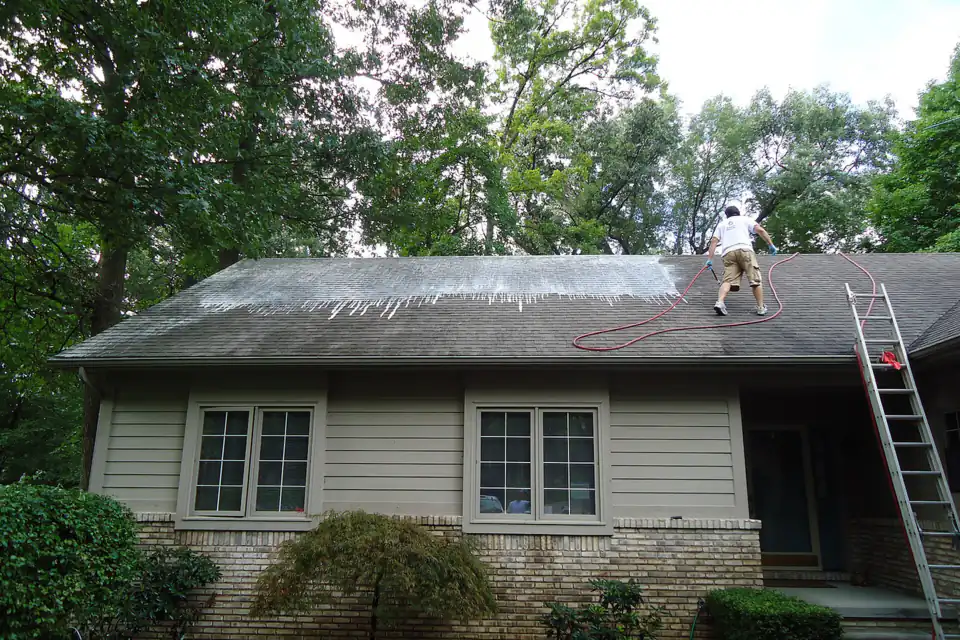
- High-pressure washing on shingles. It can strip protective granules. Dark streaks from algae are common in humid climates and are mostly cosmetic. Ask a professional about low-pressure methods if staining bothers you.
- Sealing over problems. Smearing roofing cement over a leak from the outside rarely solves the source and can make proper repairs harder.
- Ignoring small leaks. A slow drip can quietly damage decking, insulation and drywall for months.
- Walking on the roof to "just take a look". Use binoculars, the attic and photos instead.
When to call a professional
Call a roofer if you see any of the following:
- Water stains, drips or damp insulation
- Missing or lifted shingles, or debris on the roof after a storm
- Flashing that has pulled away from a wall or chimney
- Sagging areas on the roof line
- Daylight visible through the roof deck from the attic
A professional roof inspection documents the roof's condition with photos, which is useful for planning, for real estate transactions and after storms. If you would like to understand what happens during that visit, read what to expect during a roof inspection in Friendswood.
Make maintenance easier
Keep a simple log with dates, photos, the work done and who did it. It takes only a few minutes per season and pays off when you need to compare changes, talk to your insurer or sell your home. When you notice something that needs attention, our Roofing Project Planner can turn your notes into a clear summary to send with an estimate request.