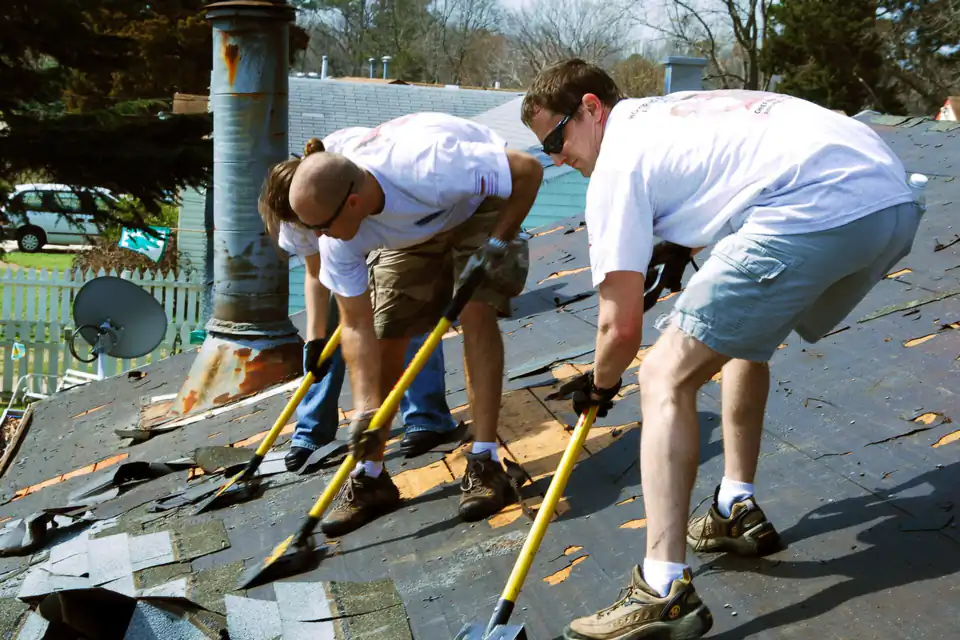
If the damage is limited to one area and the rest of the roof is in good shape, a repair is usually the sensible choice. If problems are spread across the roof, leaks keep returning in different places, or the decking underneath is failing, replacement is usually the better long-term value. An inspection of the whole roof, not just the obvious problem spot, is what tells you which situation you are in.
Homeowners in Friendswood often face this question after a storm or when a ceiling stain appears. It is a big financial decision, and the right answer depends on the condition of your roof, your budget and your plans for the house. Here is how to think it through.
When a roof repair usually makes sense
A roof repair is often the right call when:
- The problem is localized. A handful of wind-damaged shingles, one cracked pipe boot or a single section of loose flashing can usually be fixed on its own.
- The rest of the roof is in reasonable condition. Shingles lie flat, hold their granules and are not brittle or cracking across the slopes.
- The decking is sound. No soft spots, sagging or widespread rot is found during the inspection.
- It is the first problem in a long time. A single issue on an otherwise trouble-free roof is very different from the third leak this year.
A good repair addresses the source of the problem, not only the visible symptom. Water can run along rafters or decking before it drips, so the stain on your ceiling may be several feet away from the actual entry point. Ask your roofer to show you where water was getting in.
When replacement deserves a serious look
Roof replacement becomes the stronger option when:
- Wear is widespread. Curling or cupped shingles, cracking, bald spots and heavy granule build-up in gutters across multiple slopes suggest the roof covering is near the end of its service life.
- Leaks keep appearing in different places. Repeated repairs on an aging roof can add up quickly while the underlying wear continues.
- The decking is damaged in several areas. Long-term moisture can weaken the deck, and fixing it usually means removing the roofing above.
- Storm damage is extensive. When damage covers large portions of the roof, patching can cost more and look worse than a new roof.
- Matching is no longer possible. If your shingle line has been discontinued, large repairs may leave a noticeable patchwork.
The middle ground: questions that help you decide
Many roofs are not clearly in one category. These questions help narrow it down:
How old is the roof, and what has its life been like?
Age alone does not decide anything, but it is useful context. A roof's real condition depends on the product, installation, attic ventilation and the weather it has been through. If you do not know the age, look for paperwork from the purchase of your home, permit records, or receipts from a previous owner. The planner tool on this site includes a "Not sure" option because many homeowners simply do not know.
How long do you plan to stay?
If you expect to sell within a year or two, a well-documented repair may be enough, though buyers and their inspectors will look at the roof closely. If you plan to stay for many years, putting money into an aging roof can be less efficient than starting fresh.
What will the repairs cost over time?
Ask your contractor to price the immediate repair and to describe other areas that are likely to need attention soon. Comparing the total of foreseeable repairs with a replacement estimate gives a more honest picture than comparing a single repair to a full roof.
Is insurance involved?
If storm damage is part of the picture, your policy and your insurer's decision determine what is covered. A roofer can document the condition of your roof with photos, but cannot promise coverage or a particular outcome. Review your policy's deductible and roof coverage terms, and contact your insurer with questions.
How Friendswood weather factors in
Friendswood's climate is hard on roofs in a few specific ways. Long, hot summers age asphalt shingles and can bake the attic if ventilation is poor. Frequent heavy rain finds any weakness in flashing or around penetrations. Strong thunderstorms and tropical systems during the Atlantic hurricane season, which runs from June 1 to November 30, can lift shingles or send debris onto the roof.
That has two practical consequences. First, small problems tend to get worse faster here than in milder climates, so do not leave a known leak for months. Second, if you are already leaning toward replacement, it can be worth planning the project for a time of year when weather delays are less likely, rather than waiting until a storm forces a rushed decision.
What to do next
- Note what you are seeing. Stains, drips, missing shingles you can see from the ground, granules in gutters and when problems appear.
- Stay off the roof. Wet, damaged or steep roofs are dangerous. Use binoculars from the ground and check the attic with a flashlight if it is safe to do so.
- Get an inspection of the whole roof. A roof inspection shows whether the problem is isolated or part of a wider pattern. Our article on what to expect during a roof inspection explains the process.
- Ask for both options in writing when it is close. If the roof is borderline, it is reasonable to ask for a repair estimate and a replacement estimate so you can compare.
If you are considering replacement, our comparison of asphalt shingles and metal roofing covers the main material choice. When you are ready, request an estimate or call us to talk through what you are seeing.